

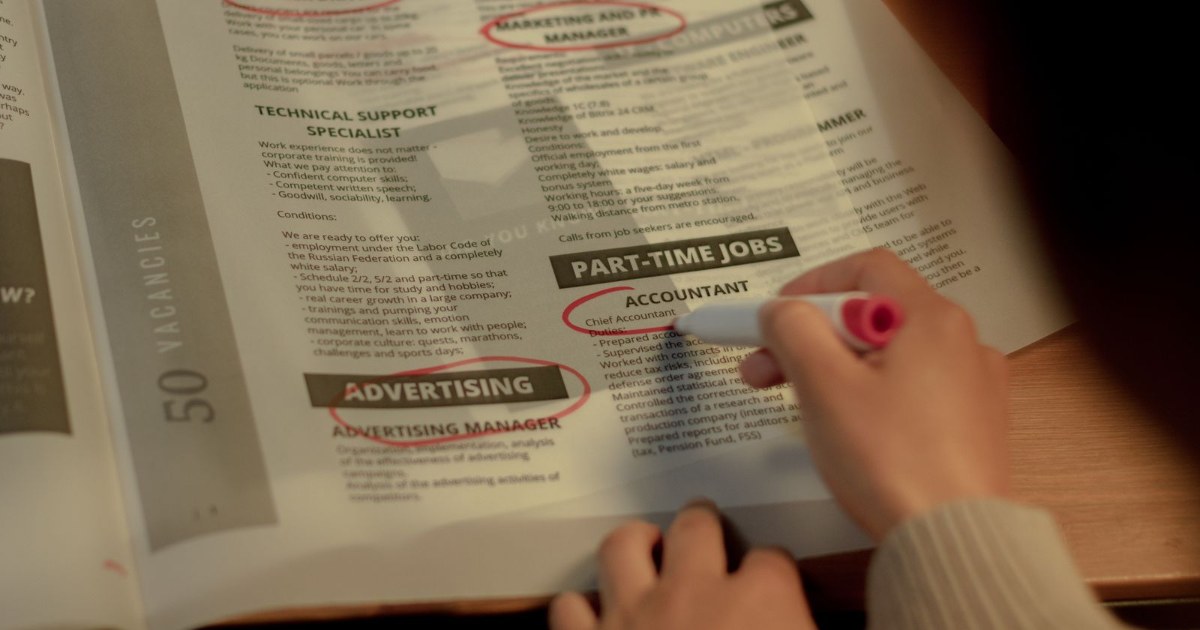
Looking for a new job? Begin with these essential career preparation steps for a faster, less stressful search.
Your Preparation Roadmap
1. Set a Clear Career Goal
What? Before applying anywhere, decide what kind of job you actually want. A clear goal keeps you from wasting time on the wrong roles.
How? Pin down your education, experience, target role, industry, work type, location, and a realistic salary range.
2. Research the Job Market
What? Market research tells you which jobs exist, what they demand, and what they pay — so you apply smart, not blind.
- Search job titles and note the variations employers use.
- Read full job descriptions and highlight repeated keywords.
- Identify the skills you already have and those you must build.
- Research realistic salary ranges for your role and city.
- Shortlist companies whose culture and location fit you.
3. Search for Jobs Smartly
What? The more targeted channels you use, the faster you find the right role.
Job portals
Indeed, LinkedIn, Glassdoor.
Company pages
Apply directly on websites.
Networking
Connect with people in your field.
Referrals
Ask contacts about openings.
Daily Job Search Routine
4. Track Your Applications
What? A simple tracker keeps you organized and ensures you never miss a follow-up.
| Company | Job Role | Date Applied | Status | Follow-up |
|---|---|---|---|---|
| ABC Inc | Data Analyst | Oct 02 | Applied | Oct 09 |
| XYZ Corp | Sales Executive | Oct 03 | Interview | Oct 07 |
| Delta LLC | Accountant | Oct 04 | Shortlisted | Oct 08 |
5. Build a Strong Resume
What? Your resume has about six seconds to impress. Keep it clean, one to two pages, and achievement-focused.
Resume Structure
- Name & contact details
- Professional summary
- Skills
- Work experience
- Education
- Certifications
- Projects
- Achievements
- Clear, simple format
- Relevant, job-matched skills
- Correct contact information
- Spelling and grammar checked
- Job-specific keywords included
6. Prepare for the Interview
What? The interview is where preparation pays off. Walk in ready and you convert research into an offer.
Before the interview
- Research the company again.
- Re-read the job description and match your examples.
- Revise your resume so you can speak to every line.
- Practice common answers out loud.
Common Questions
- Tell me about yourself.
- Why do you want this job?
- Why should we hire you?
- What are your strengths and weaknesses?
- Where do you see yourself in 5 years?
7. Avoid Common Job Search Mistakes
Avoid these mistakes that quietly cost candidates offers:
- Sending the same resume everywhere
- Not reading the job description
- Using an unprofessional email
- Being late for the interview
- Not researching the company
- Answering salary questions without research
8. Stay Safe from Job Scams
What? A genuine employer never asks you to pay to get hired. Watch for these red flags:
- Advance payment or “registration fee” requests
- Suspicious emails or fake-looking domains
- Unrealistic salary promises for little work
- Demands for banking or SSN details up front
- Instant “hire” without a real interview
9. Your Job Preparation Checklist
Before Applying
- Career goal is clear
- Target role selected
- Resume ready
- Profile updated
Before the Interview
- Company researched
- Resume reviewed
- Common questions practiced
- Outfit and route ready
After the Interview
- Thank-you message sent
- Application status tracked
- Follow-up date noted
10. Your 30-Day Action Plan
Week 1 — Foundation
- Set career goal
- Skills assessment
- Market research
Week 2 — Resume
- Build resume
- Update profile
- Application templates
Week 3 — Interview
- Common questions
- Mock interviews
- Communication
Week 4 — Apply
- Daily applications
- Networking
- Follow-ups
Frequently Asked Questions
Quick answers to common questions. Tap any question to expand it.
1How do I improve a weak skill quickly?
Follow Skill → Course → Practice Project → Certificate, then add the proof to your resume.
2How long does it take to prepare for a job search?
Updating your resume takes a weekend, but allow two to four weeks to research roles, tailor applications, and practice interviews.
3What is the most important preparation step?
Getting clear on your career goal and researching the role and company — it improves your resume, answers, and questions.
4How is a career changer’s preparation different?
Career changers should highlight transferable skills and recent upskilling; freshers lead with education and projects; experienced candidates lead with achievements.
5What is an ATS-friendly resume?
A resume with a simple layout, standard headings, and the job’s keywords so it passes automated screening before a human reads it.
6How do I answer “Tell me about yourself”?
Use Present → Experience → Skills → Achievement → Why this role, in 60–90 seconds.
Start Preparing Today
Work through these steps and you will walk into your next opportunity prepared and confident.
